Wenwe Ceramics
Ceramics that connect people to place
Wenwe Ceramics is a small, independent pottery in Bulawayo, Zimbabwe, making handmade stoneware from Zimbabwean clay and glazes made with local wood ash.
The name is my own play on a colloquial Zimbabwean expression, the kind that begins conversations about shared memories and places. That idea sits behind everything I make. Where the materials come from, how they behave and how fire changes them all become part of the finished piece.
The pieces are made to be used and lived with. They are functional objects, but they also carry something of the place and process they came from.
All handmade in Zimbabwe.

Etienne Oosthuizen
The Potter
I grew up in Karoi, spending most of my childhood outdoors, and first worked with clay at Falcon College in the late 1990s. Ceramics took a back seat for a while, but the interest never left.
I went on to spend around fifteen years as a guide, eventually specialising in photographic safaris. Working so closely with wildlife and landscapes gave me a lasting sense of how much place matters.
When I came back to pottery, I taught myself. Most of the materials available to me were imported from South Africa, and I kept thinking about how potters throughout history simply worked with what was around them. So I began experimenting with Zimbabwean clays, ash and minerals.
My approach is simple: keep it as local as possible, keep it authentic, and make contemporary ceramics that can stand alongside international standards.
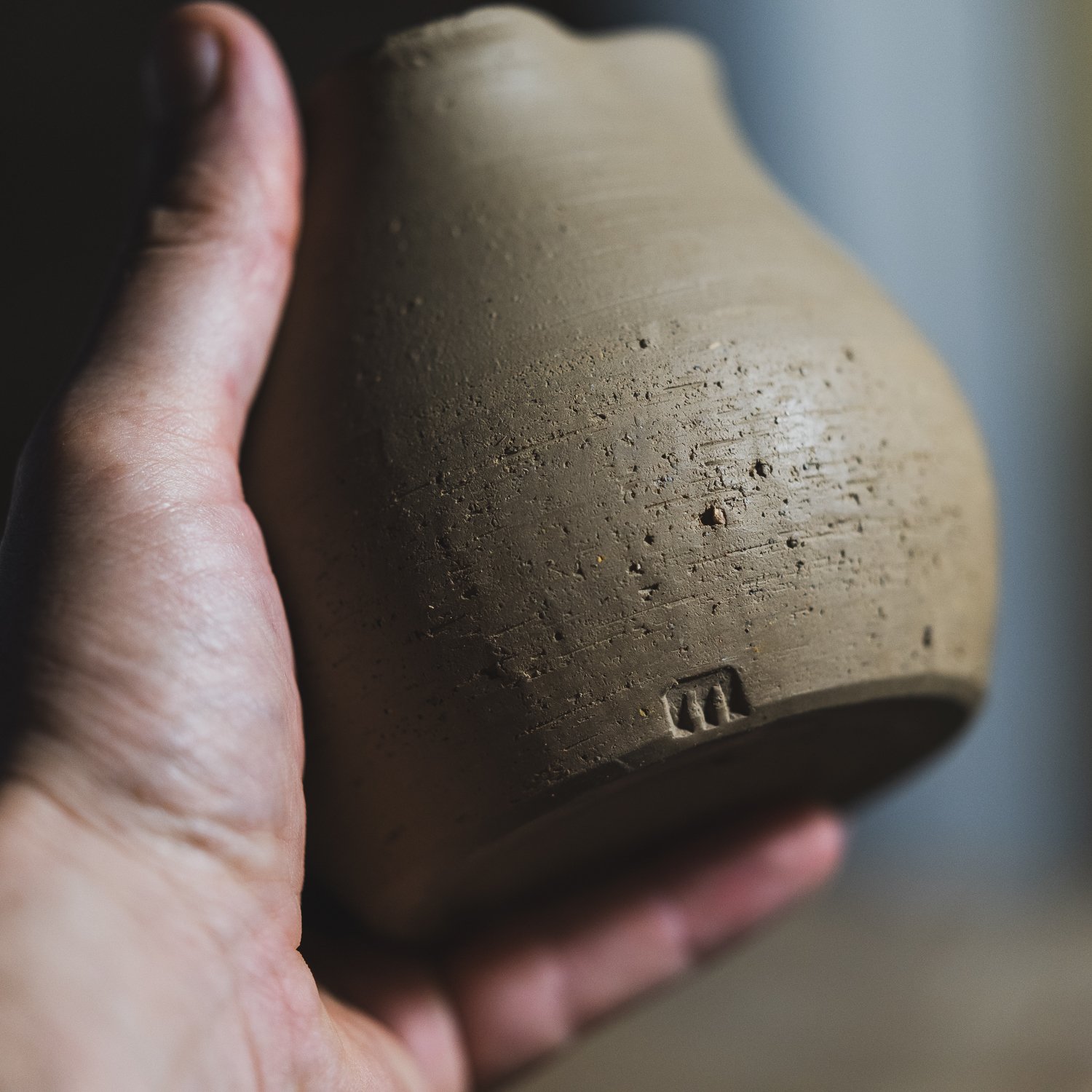
Zimbabwean clay & glazes
A Story of material, fire & place
Every piece begins with a clay body I developed myself, combining three clays:
Zimbabwean stoneware clay, the foundation
Gwayi clay, for plasticity and workability
Fire clay, for strength and firing stability
I use the same clay body across every collection so the performance stays consistent. The landscape then becomes the inspiration, shaping the form, surface and glaze of each collection.
The glazes begin with three materials: Zimbabwean feldspar, hardwood ash and wild clays. Trees draw minerals from the soil, and some of those minerals remain in the ash when the wood is burned. In the kiln, that ash becomes part of the glaze. Natural materials vary, so the glazes can reflect different places in Zimbabwe.